Eidos-Montréal’s latest round of layoffs reportedly follows the cancellation of an “almost
By FinalBoss Intelligence Team · 5 min read
Wildlands Cut at “Almost Complete” Stage Triggers Layoffs and Studio Head Exit
Eidos-Montréal’s unannounced open-world project codenamed Wildlands has reportedly been cancelled by parent company Embracer Group after years of AAAA-scale development and a budget that climbed beyond $100 million. The decision coincides directly with 124 layoffs on 31 March 2026 and the departure of long-time studio head David Anfossi, effectively resetting the studio’s original-IP ambitions in favor of lower-risk, licensed work.
- Wildlands, an unannounced open-world AAA/“AAAA” project in development since 2019, was reportedly “almost complete” and in bug-fixing when Embracer cancelled it due to runaway budget and weak recoup prospects.
- Eidos-Montréal cut 124 roles on 31 March 2026, its third consecutive year of mass layoffs, and confirmed the exit of studio head David Anfossi after nearly 20 years at the company.
- Insider reporting links the cuts directly to Wildlands’ cancellation, while Eidos publicly cites only “changing project needs,” underscoring a widening gap between corporate messaging and on-the-ground realities.
- Years of engine changes (four engines tested), narrative reworks, and escalating costs reportedly pushed the project into the hundreds of millions and began to strain other Eidos initiatives.
- The move reinforces Embracer’s shift toward licensed, lower-risk projects and signals rising cancellation risk even for late-stage, big-budget original IP in a market dominated by mega-franchises such as Grand Theft Auto.
A Seven-Year Bet on Wildlands Ends at the Finish Line
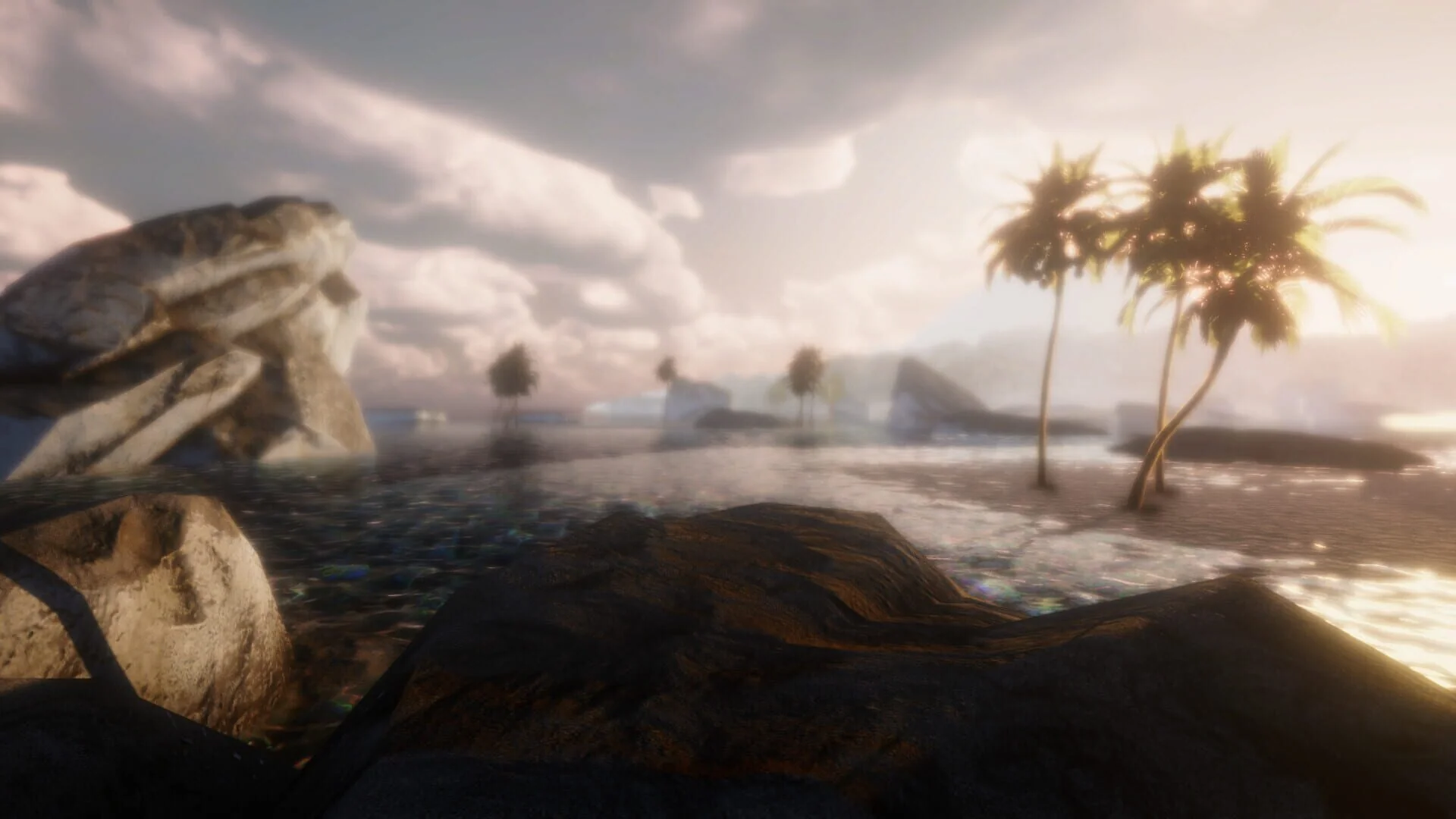
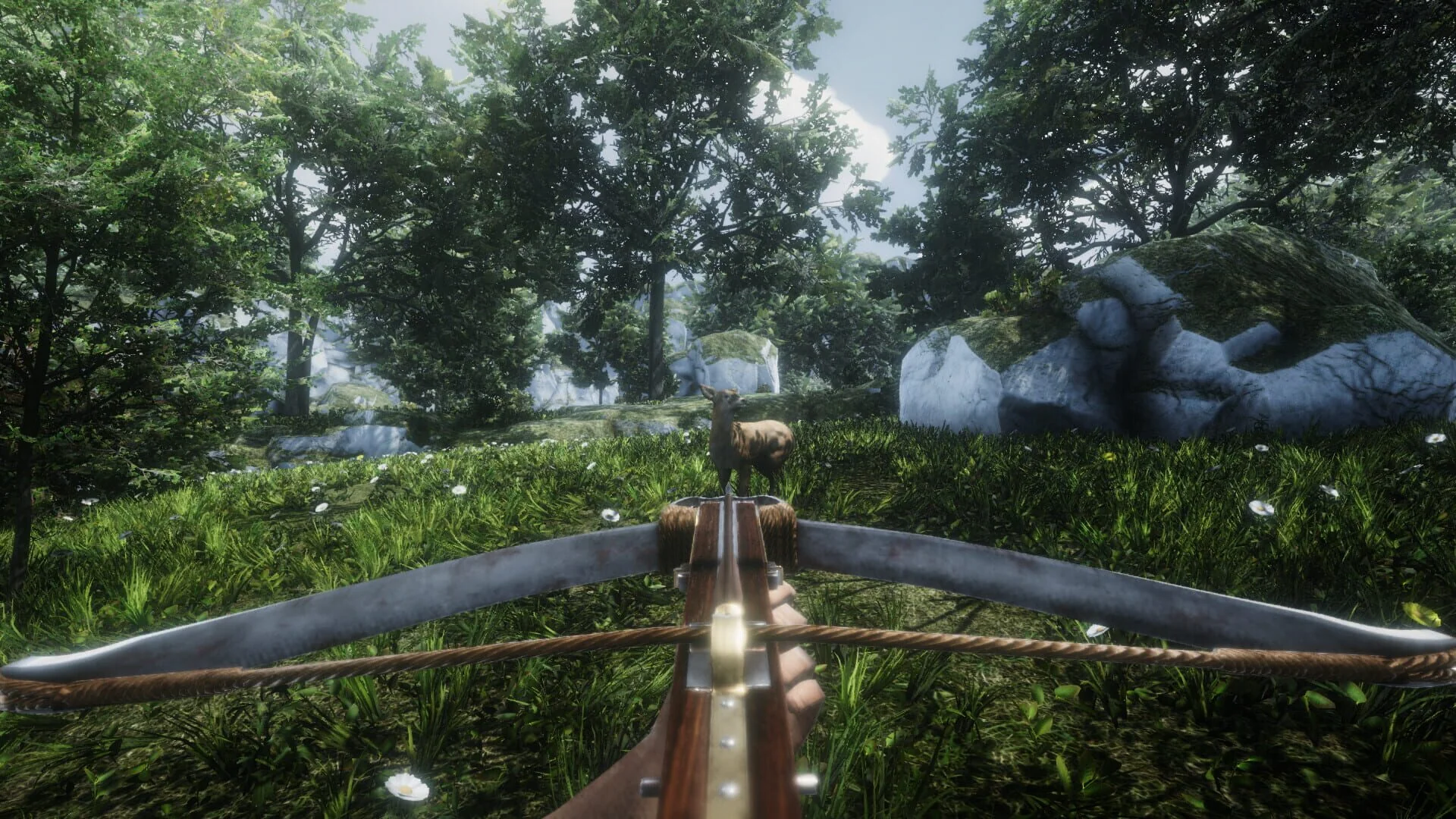
Multiple European outlets and industry reporting describe Wildlands as an ambitious third-person action-adventure set in a large open world, built for PC, PlayStation 5, and Xbox Series X|S. Players would control River, a teenager in a group of adolescents battling malevolent spirits with magical elements. Internally known as “P11,” it was reportedly one of Eidos-Montréal’s most expensive projects to date.
Pre-production and production together spanned roughly seven years, with full production beginning in 2019. Reporting from Eurogamer’s Portuguese edition and others indicates the project cycled through four different engines before settling, causing technical resets and schedule drag. Narrative conflicts further complicated development, while the budget climbed past $100 million and was ultimately described by some sources as in the “hundreds of millions” range.
Despite that turbulence, Wildlands had reportedly cleared several major internal milestones and reached a late polishing and bug-fixing phase, with an internal launch window targeted for 2026. Insider Gaming and regional press say Embracer concluded that the title would not recover its investment, particularly in a release window overshadowed by Grand Theft Auto 6, and opted to cut funding rather than ship.
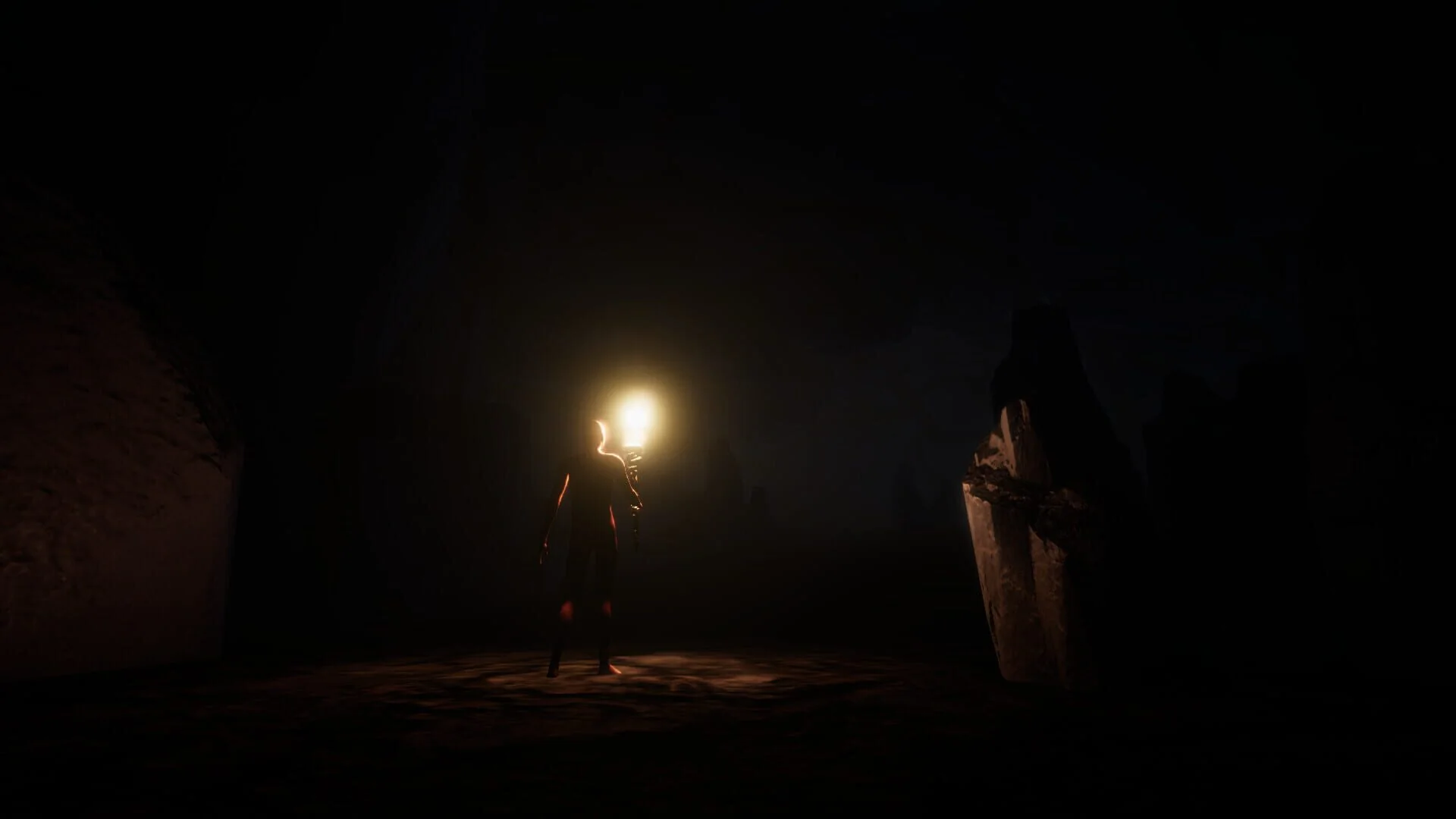
Editorial metadata ties Wildlands to the Legacy of Kain franchise as an unannounced entry, but no public-facing materials or official statements have confirmed that linkage. Neither Embracer nor Eidos-Montréal has formally acknowledged Wildlands by name, leaving a notable gap between corporate communication and detailed insider reporting.
Third Straight Year of Layoffs and the End of the Anfossi Era
The 124 layoffs announced on 31 March 2026 mark Eidos-Montréal’s third consecutive year of sizeable cuts: 97 roles were eliminated in January 2024, followed by 75 in April 2025, for a total of roughly 296 staff reductions since 2024. In an official statement on LinkedIn, the studio attributed the latest wave to “changing project needs,” stressing that the decision did not reflect negatively on the affected employees’ performance or value.
In parallel, studio head David Anfossi’s departure ends nearly two decades with Eidos-Montréal. Anfossi joined in 2007 and became a central figure in projects such as Deus Ex: Human Revolution, later taking over as studio head in 2013. The company has framed his exit as a mutual “parting of ways” with a transition plan underway, but has not disclosed reasons. Industry reporting and commentary consistently connect his departure to the fallout from Wildlands’ cancellation, although that linkage remains unofficial.
This pattern echoes 2024, when an unannounced new Deus Ex project was reportedly cancelled under Embracer’s cost-reduction program ahead of a previous layoff round. Taken together, Eidos-Montréal’s recent history shows a studio repeatedly whipsawed by top-down portfolio decisions, rather than the failure of shipped products such as Marvel’s Guardians of the Galaxy or Shadow of the Tomb Raider.
Embracer’s Risk Calculus: From Ambitious Originals to Licensed Stability
Since acquiring Eidos-Montréal from Square Enix in 2022, Embracer has pursued an aggressive restructuring program across its portfolio, closing studios, cancelling projects, and prioritizing near-term cash flow. Reporting around Wildlands notes that its runaway budget began to affect other projects inside Eidos, effectively crowding out capacity for additional titles.
Against that backdrop, Embracer’s cancellation of a late-stage, high-budget original project lines up with a strategic pivot toward licensed and lower-risk work. Insider accounts describe Eidos-Montréal increasingly being steered to externally owned IP, where marketing leverage and brand awareness are higher and forecasting is more predictable than for a new franchise or a radical reboot. This is consistent with a broader AA/AAA market shift, where licensed projects tied to film, TV, comics, or established game universes often secure funding more easily than novel concepts.
Wildlands thus becomes a case study in the shrinking risk tolerance for non-franchise open worlds. Even an “almost complete” project on modern hardware, built by an experienced studio with a track record in narrative action games, did not clear the bar once its budget profile and competitive window-dominated by GTA 6-were re-evaluated. The cancellation also signals sharper internal scrutiny on toolchain decisions: four engine swaps over development now look catastrophic in hindsight for cost and schedule control.
Operational and Market Signals to Track
The immediate operational impact inside Eidos-Montréal is severe: a smaller team, the loss of institutional leadership, and the abrupt removal of a flagship project from the roadmap. For platform holders and publishing partners, several signals stand out:
- Leadership succession and governance: The identity and mandate of Anfossi’s successor will clarify whether Eidos-Montréal is expected to operate as a premium work-for-hire entity on licensed IP or retain any autonomy for original concepts.
- Official disclosure on Wildlands: Formal acknowledgement-or continued silence—on Wildlands’ fate will indicate how transparent Embracer intends to be about sunk-cost cancellations and pipeline resets.
- Future of Legacy of Kain and Deus Ex: With two reported cancellations touching long-dormant franchises, upcoming announcements (or the lack of them) will signal whether these brands are effectively parked or being re-imagined under tighter budget constraints.
- Embracer’s broader restructuring arc: Additional studio sales, closures, or IP licensing deals would reinforce the view that Embracer is repositioning from expansive content ownership toward a leaner, partnership-driven model.
- Talent migration from Eidos-Montréal: Where laid-off staff and senior leaders land—whether in indie, AAA competitors, or other media sectors—will shape Montreal’s development ecosystem and competitive dynamics for high-end narrative talent.
InsightsFinalBoss Signal
The reported termination of Wildlands at the polishing stage crystallizes a harsh new reality: in the current cost-of-capital and hit-driven environment, even late-stage AAAA projects are no longer protected by sunk cost. Embracer’s decision, and the resulting shock to Eidos-Montréal’s workforce and leadership, underscores a structural pivot away from expensive, original open worlds toward licensed or heavily proven IP. For the broader market, this raises the bar for greenlighting large-scale, non-franchise projects and increases the premium on disciplined tooling choices and early financial validation, as projects that drift too far from controllable budgets face growing cancellation risk—no matter how close they are to the finish line.
Get reports like this in your inbox
Weekly intelligence briefings for games industry professionals.
Related Briefings
It only took 6 years, but Xbox’s open-world zombie game State of Decay 3 is back from the dead with
Undead Labs shifts State of Decay 3 into limited public alpha playtests, moving the long-quiet Xbox zombie sequel from trailers to community-driven dev.
Read the Full Briefing →The Super Mario Galaxy Movie Opening Breaks Box Office Records Despite Mixed Critical Response
Super Mario Galaxy Movie’s $34M record Wednesday underscores Nintendo and Illumination’s box office leverage, even as critics stay cool and NCU plans…
Read the Full Briefing →Unity sees growth in engine revenue, shuts down IronSource ad network in favour of Vector AI
Unity will close ironSource Ads Network and sell Supersonic, consolidating around its Vector AI ad stack and strengthening engine-led growth.
Read the Full Briefing →